
Homeowners searching for roof replacement cost in Los Angeles quickly discover that pricing varies widely. One quote might be thousands of dollars higher than another for what appears to be the same roof. This confusion is common—and understandable—because roofing costs are influenced by several real, measurable factors beyond simple square footage.
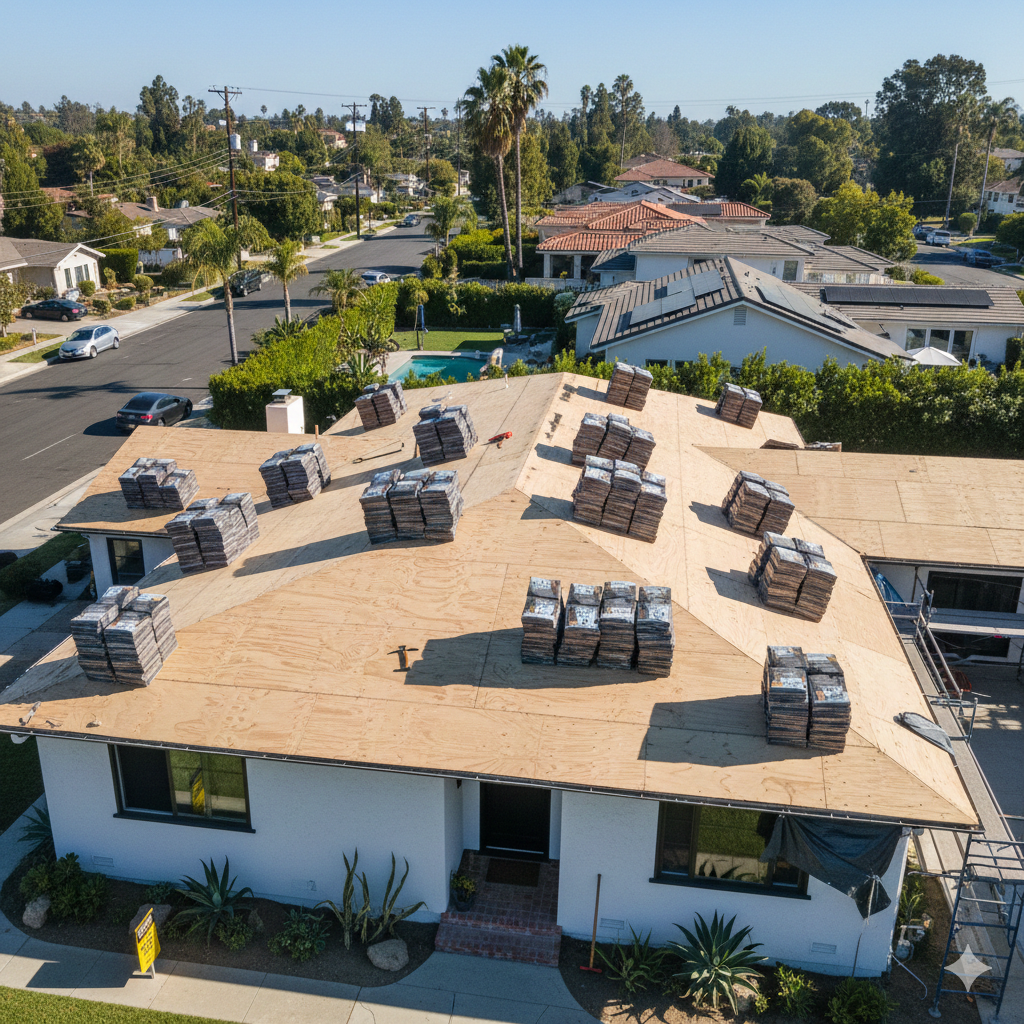
The most obvious driver of roof replacement cost is roof size and layout, but complexity matters just as much. A single-story home with a simple roofline will typically cost less than a multi-level home with valleys, hips, dormers, or steep slopes. Complex roof geometry increases labor time, safety requirements, and material waste, all of which affect the final price.
Another major factor is tear-off requirements. Some homes have one existing layer of roofing, while others have two or more. Removing multiple layers adds labor, disposal fees, and time. In Los Angeles, proper disposal is regulated, and dumping fees can meaningfully impact overall roofing prices.
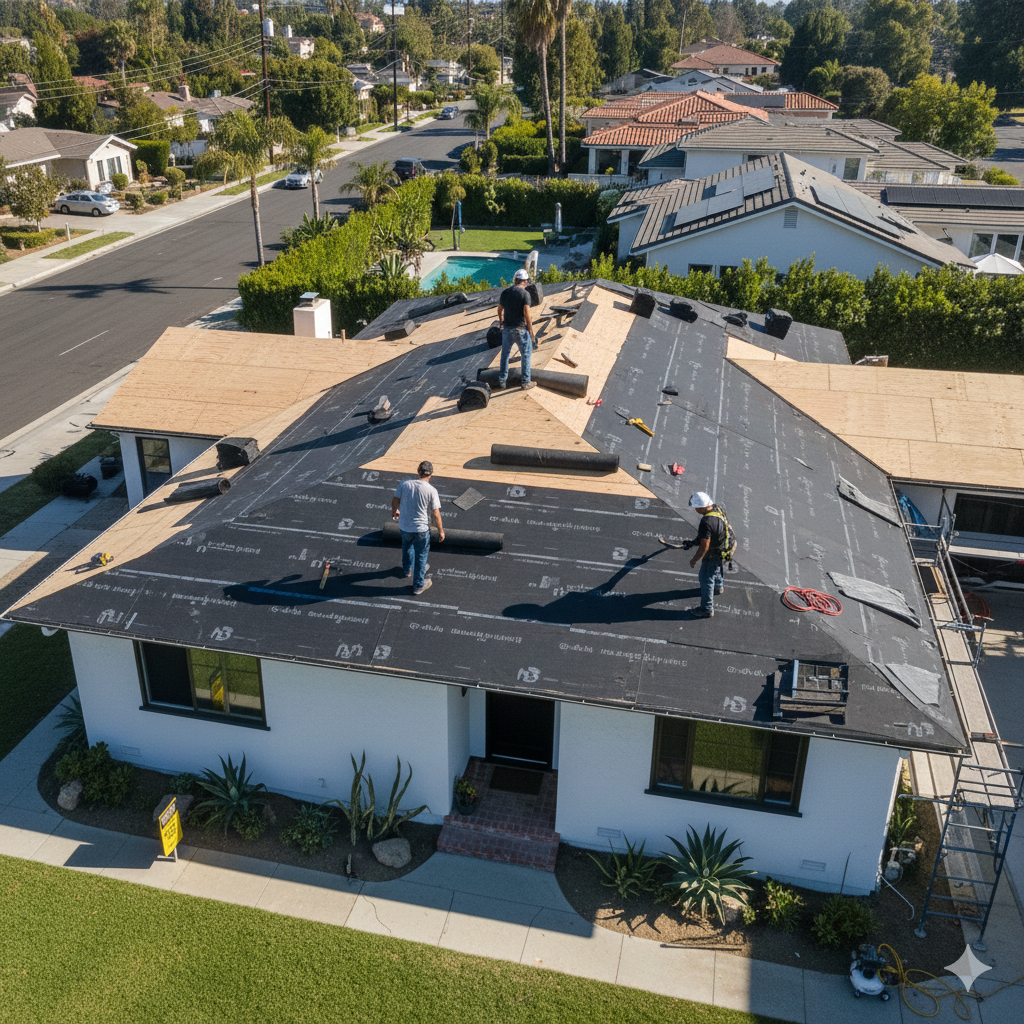
Material selection is one of the most significant pricing variables. Architectural asphalt shingles, cool-roof–rated shingles, tile, metal, and specialty products all carry different costs. In California, roofing materials must often meet energy-efficiency requirements, which can limit cheaper options. While compliant materials may cost more upfront, they are designed to perform better in heat and sun exposure common in Southern California.
Code compliance and permitting also affect roof replacement costs in Los Angeles. Most roof replacements require permits and inspections to ensure the roof meets building and energy codes. Compliance isn't optional—it impacts material choice, installation methods, and scheduling. Contractors who cut corners on permits may offer lower estimates, but that can create serious issues during inspections, resale, or insurance claims.
Labor quality and experience play a critical role as well. Roofing is labor-intensive, and installation quality determines long-term performance. Experienced crews understand flashing details, ventilation requirements, and local code nuances. While skilled labor may not always be the cheapest line item, it reduces the risk of early leaks, failed inspections, and warranty disputes.
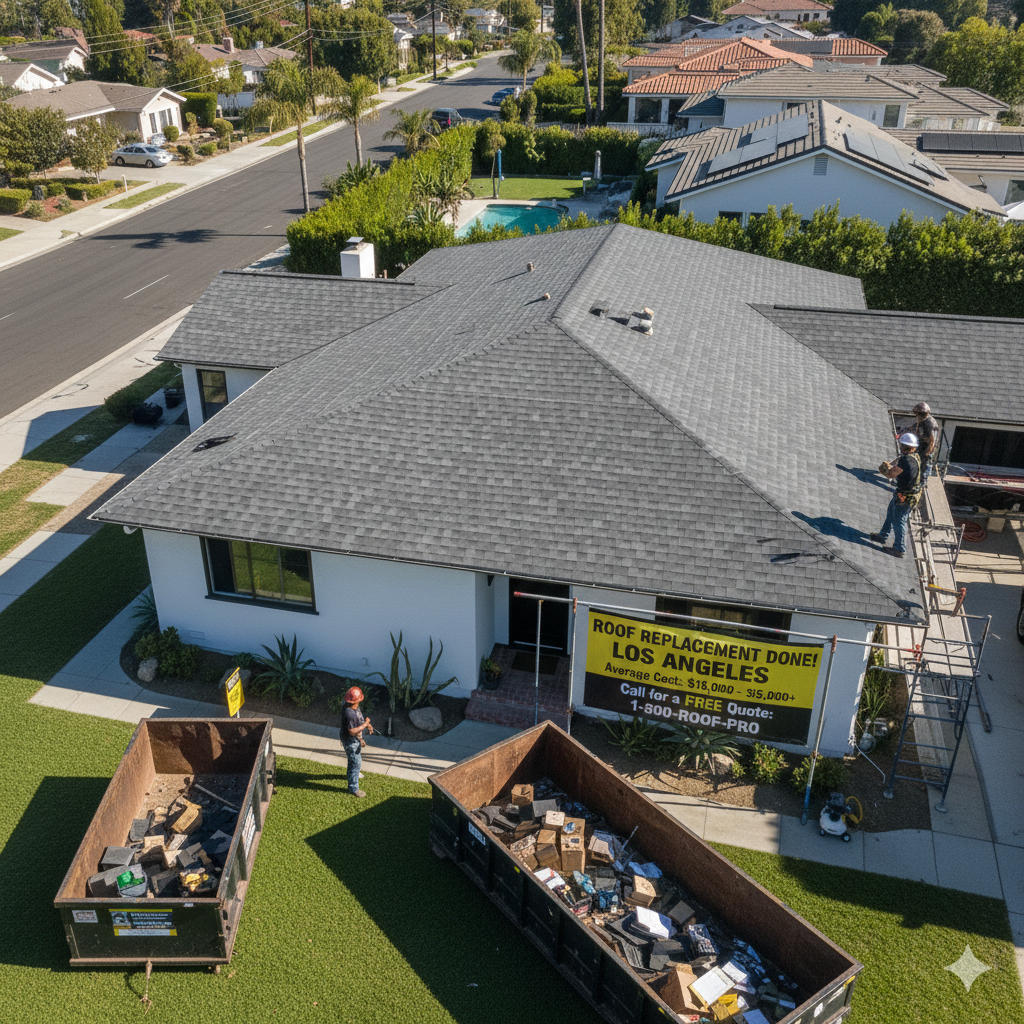
Timing can also influence the average roof replacement cost in Los Angeles. Demand often spikes after storms or during peak building seasons. During high-demand periods, scheduling constraints and labor availability can affect pricing. Conversely, flexible scheduling can sometimes result in more favorable estimates.
Another often-overlooked factor is the contractor's business model. Some roofing companies operate with high overhead, sales commissions, or multiple layers between the homeowner and the installation crew. Others work more directly, with fewer intermediaries. These structural differences explain why two estimates for the same roof can look dramatically different even when materials appear identical.
Homeowners comparing a roof replacement estimate in Los Angeles should look beyond the total number. A meaningful comparison includes scope of work, materials specified, permit handling, inspection responsibility, and warranty coverage. An estimate that appears lower may exclude items that later become costly change orders.
Understanding what drives roof replacement pricing helps homeowners ask better questions, evaluate estimates more accurately, and avoid surprises during construction. A roof is a long-term investment, and clarity at the pricing stage is one of the best ways to protect that investment.